What Makes a Successful Aftercare Program?
Introduction
The journey to recovery from substance abuse is often long and fraught with challenges. While many individuals find success in drug rehab, the transition back into everyday life can be daunting. This is where aftercare programs come into play. But what exactly makes a successful aftercare program? Understanding the components that contribute to effective aftercare can significantly impact a person's ability to maintain sobriety and lead a fulfilling life.

In this article, we will delve deep into the intricacies of aftercare programs, exploring their importance, key elements, and the various strategies that contribute to their success. With a professional tone and expert insights, we aim to equip you with knowledge that underscores the significance of comprehensive aftercare in the recovery process.
Understanding Aftercare Programs
What Are Aftercare Programs?
Aftercare programs are structured support systems designed for individuals who have completed a drug rehab program. These programs typically provide ongoing counseling, support groups, and resources aimed at helping individuals maintain their sobriety post-rehabilitation.
The Importance of Aftercare
Why are aftercare programs essential? Research indicates that ongoing support plays a critical role in preventing relapse. Without such support, individuals may struggle to navigate the challenges of daily life without resorting back to substance use.
drug rehabTypes of Aftercare Services
Aftercare services vary widely but generally include:
- Counseling: Individual or group therapy sessions.
- Support Groups: Meetings like Alcoholics Anonymous (AA) or Narcotics Anonymous (NA).
- Life Skills Training: Workshops focusing on coping strategies and daily living skills.
- Sober Living Houses: Transitional housing environments that promote sobriety.
Key Components of Successful Aftercare Programs
Comprehensive Assessment
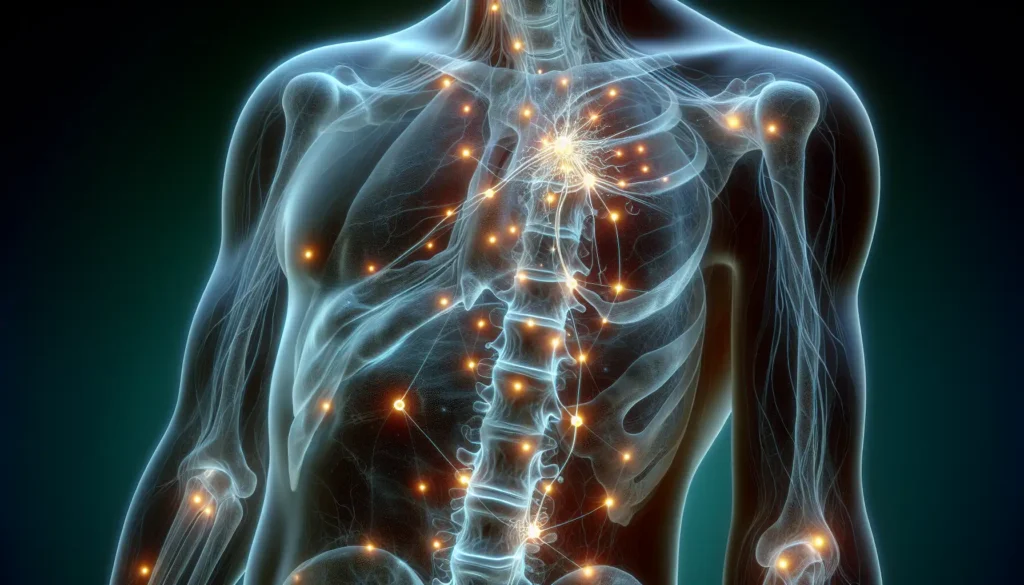
Before entering an aftercare program, it's crucial for individuals to undergo a comprehensive assessment. This evaluation helps tailor the aftercare plan to their unique needs.
Why Is Assessment Important?
An individualized approach ensures that all underlying issues—be it mental health concerns or social challenges—are addressed effectively.
Personalized Care Plans
A one-size-fits-all approach rarely works in treatment settings. Successful aftercare programs create personalized care plans that align with each individual’s specific circumstances and goals.
Continuous Support Systems
Establishing continuous support is vital for sustaining recovery. This includes access to counselors, mentors, and peer support networks who can provide guidance during tough times.
Flexibility in Programming
Flexibility allows individuals to adapt their aftercare plans as they navigate personal circumstances or unexpected challenges. Programs should accommodate changes without penalizing participants.
Building Community Connections
The Role of Family Support
Family involvement is often overlooked but remains instrumental in recovery. Educating family members about addiction can foster understanding and create an environment conducive to healing.
Networking Opportunities
Successful aftercare programs facilitate networking opportunities among participants. Building connections with others on similar journeys fosters camaraderie and shared experiences.
Engaging with Local Resources
Connecting participants with local resources—such as job training programs or community centers—can enhance their ability to reintegrate into society successfully.
Therapeutic Approaches in Aftercare
Cognitive Behavioral Therapy (CBT)
CBT is an evidence-based therapeutic approach used extensively in both drug rehab and aftercare settings. It addresses negative thought patterns contributing to substance use behaviors.
How Does CBT Work?
By identifying triggers and developing coping strategies, individuals learn how to manage cravings effectively while reinforcing positive behaviors.
Mindfulness-Based Interventions
Mindfulness practices can help individuals develop greater awareness of their thoughts and feelings without judgment—a powerful tool against relapse triggers.
Monitoring Progress in Recovery
Regular Check-ins
Frequent check-ins between counselors and participants ensure progress is monitored closely. These touchpoints allow for adjustments within the care plan if necessary.
Setting Goals
Goal setting remains fundamental in maintaining focus during recovery. Participants should set realistic short-term and long-term goals aligned with their aspirations beyond rehab.
Technology's Role in Aftercare
Telehealth Services
The rise of telehealth has revolutionized access to care post-rehab. Virtual counseling sessions cater to those who may face barriers attending physical meetings or appointments.
Mobile Apps for Support
Many apps assist users in tracking sobriety milestones while offering meditation exercises, reminders for meetings, or even connecting them with fellow recovering addicts.
Experiential Learning Opportunities
Workshops & Skill-Building Sessions
Hands-on workshops focusing on life skills like budgeting, cooking healthy meals, or stress management cultivate independence among participants transitioning back into society.
Celebrating Milestones
Recognizing achievements—no matter how small—is essential in reinforcing positive behavior change during post-rehab life. Celebrating these milestones builds confidence as individuals continue their journey toward lasting sobriety.
Overcoming Common Challenges in Aftercare
Addressing Stigma
Participants may encounter stigma when re-entering society post-treatment; education campaigns targeting community perceptions can mitigate these challenges effectively.
Navigating Relationship Changes
For many recovering from addiction, rebuilding relationships takes time—and sometimes requires professional mediation—to heal past wounds caused by substance use disorders.
Conclusion
In conclusion, successful aftercare programs are multifaceted entities that require careful planning, continuous support systems, personalized care plans, community connection-building efforts, therapeutic approaches tailored for individual needs, technology integration for accessibility enhancement—all while celebrating progress along the way. By understanding what makes a successful aftercare program—a commitment rooted deeply within empathy—it becomes clear how integral these frameworks are for sustaining long-term recovery from addiction following drug rehab treatment experiences.
FAQ Section
1. What is an aftercare program? An aftercare program supports individuals post-drug rehab through counseling, support groups, and skill-building initiatives aimed at maintaining sobriety.
2. Why is aftercare important? Aftercare provides ongoing support which significantly reduces the risk of relapse by addressing emotional and practical challenges encountered during reintegration into everyday life.
3. What types of services do aftercare programs offer? Services typically include counseling sessions (individual/group), peer support groups like AA/NA meetings, sober living arrangements, and workshops focused on life skills development.
4. How can family members get involved in the recovery process? Family involvement enhances accountability by creating open lines of communication around addiction; educational resources can help families better understand addiction's complexities too!
5. What role does technology play in modern-day aftercare? Telehealth services enable remote counseling sessions; mobile apps provide tools for tracking progress while fostering connection among those on similar paths toward lasting sobriety!
6. How do I choose an effective after-care program? Look for personalized care plans accommodating your needs; prioritize programs emphasizing continuous support networks alongside holistic therapeutic approaches combined with community connections!